Visit our new showroom today.

Designing a Sussex Country Style Kitchen: Guidelines and Ideas
2/8/20266 min read
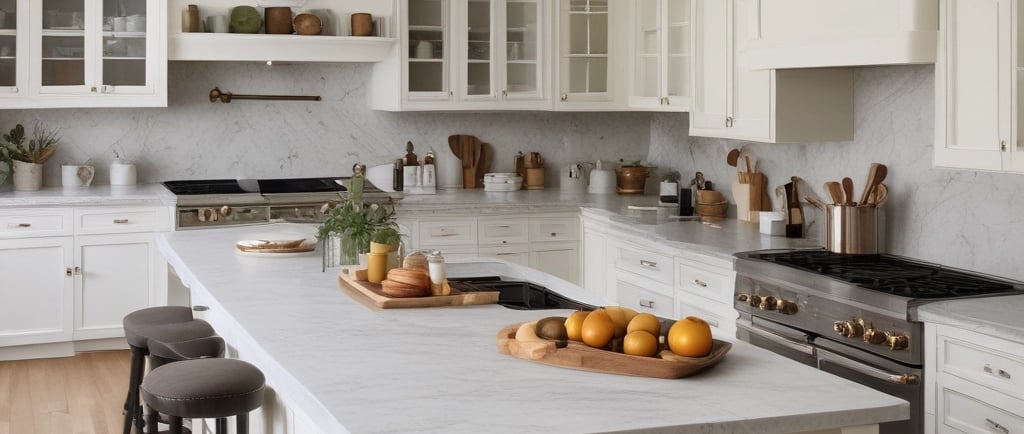
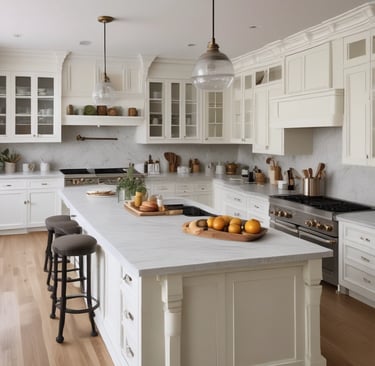
The country kitchen has never really gone out of style, and perhaps that's because it was never about style in the first place. It's a way of creating spaces that feel lived-in from day one, where oak cabinetry deepens with age and stone worktops bear the marks of a thousand family meals. A kitchen that invites you in, whether you're in a Sussex cottage or a London townhouse.
The appeal lies in the details: natural materials that improve with time, soft colours that feel grounded in the landscape, and a sense of warmth that comes from pieces made to last. While our lives have evolved considerably from those of our Georgian predecessors, the principles remain surprisingly constant. Quality over trends, character over perfection, and spaces designed for gathering rather than just cooking.
Drawing on over two decades of designing kitchens that balance heritage with modern living, we've gathered together some country kitchen ideas to help you create a space that feels authentic to your home and how you actually live in it.
What defines a country kitchen?
Country style is rooted in something more enduring than aesthetics – it's an approach that values materials which improve with age, spaces designed for gathering, and a sense of connection to heritage. The irony is that this style, so often associated with rural life, works just as well in a Georgian townhouse in Notting Hill as it does in a Sussex farmhouse. What matters isn't the postcode, but the principles.
The origins lie in the domestic quarters of eighteenth and nineteenth-century country houses, where kitchens were working spaces defined by clear zones. The kitchen for preparation and cooking, the pantry for storing non-perishables, the larder for perishables, and the scullery for washing up. Though much has changed since then, these functional principles – thoughtful storage, durable materials, spaces that accommodate real life – remain surprisingly relevant.
What makes a country kitchen feel authentic today comes down to a few enduring characteristics. Natural materials, such as solid oak, natural stone, and terracotta, develop patina rather than showing wear. Soft, earthy colour palettes drawn from the landscape rather than trend forecasts. A balance between open display and concealed storage, allowing you to show the pieces that matter while keeping the everyday mess out of sight. And at the heart of it all, an island or table that serves as more than just a work surface – it's where homework gets done, where friends gather with a glass of wine, where children roll out pastry on a Sunday afternoon.
This is the essence of country style: not a rigid aesthetic to replicate, but a philosophy about creating kitchens that feel naturally settled, that improve rather than deteriorate with time, and that work as hard as they look beautiful. It's about honouring heritage while designing for how you actually live.
Key elements of country style
Understanding what defines country style is one thing; bringing it to life in your own kitchen is another. The following elements show how these principles translate into practice – from the colours and materials you choose to how you balance storage and display. Each idea can be adapted to suit your space, whether you're working with a period townhouse or a modern family home.
Warm, earthy colour palettes
Country kitchens traditionally draw their colours from the landscape rather than trend forecasts. Think soft blues reminiscent of Georgian skies, warm terracottas that echo clay tiles, or the muted greens of sage and lichen. These grounded tones create spaces that feel immediately welcoming, connecting the kitchen to the world beyond its walls.
Caledonian Kitchens paint palette reflects this philosophy. with the ability top choose any Farrow and Ball, Little Paint Company or any other suppliers colours . Blue Maize , originally popular in Georgian kitchens, brings historical authenticity. Sage captures the soft greens of countryside landscapes, cooling in summer and warming in winter. Sudbury Yellow captures the mellow warmth of Cotswold stone, whilst Warm Whites like Pointing provide deeper, earthier notes. The key is choosing colours that feel rooted in place rather than plucked from a trend report.
Natural materials that age beautifully
One of the defining characteristics of country style is its embrace of materials that improve rather than deteriorate with time. Woods develops a deeper, richer tone as it ages. Natural stone worktops bear the marks of use – a wine stain here, a knife mark there – that tell the story of meals prepared and shared. Brass hardware acquires a lived-in patina that no factory finish can replicate.
This approach requires a shift in mindset. Where contemporary kitchens often prioritise surfaces that resist any sign of wear, country style celebrates the gentle weathering that comes from daily life. The In Frame Shaker Kitchen exemplifies this philosophy
The art of display storage
Country kitchens strike a careful balance between what's on show and what's tucked away. The Georgian precedent was clear: separate rooms for different functions, with the pantry for non-perishables, the larder for perishables, and the scullery for washing. Today's kitchens condense these zones into one space, but the principle of thoughtful storage remains.
The pantry wall concept reimagines this approach for modern living. Floor-to-ceiling cabinetry combines open shelving for pieces you use daily – and want to see – with closed cupboards for the clutter you don't. ‘With so much storage here, the main part of the kitchen didn't need wall cabinets, keeping it light and airy,’ . This creates room for displaying artwork, crockery, or the sort of personal pieces that give a kitchen its soul.
Our larder's take a similar approach, offering generous vertical storage with adjustable shelving. With deep drawers rather than cupboards – practical for heavy pots and pans whilst keeping countertops clear.
Islands as the heart of the home
The kitchen island has become synonymous with country style, and for good reason. Its origins lie in the wooden preparation tables of Georgian and Victorian working kitchens, where vegetables were chopped, desserts perfected, and plates loaded for serving. Today's island serves these practical purposes whilst also functioning as the social centre of the kitchen.
‘The island is the hub of family activity,
The choice between fitted and freestanding depends on your space and how you live. Fitted islands offer integrated storage and appliances. A freestanding island, by contrast, provides flexibility – easier to move or reconfigure.Tthe island becomes more than a work surface; it's where homework gets done, where friends gather, where life happens.
Country style in smaller spaces
Small country kitchen ideas often start with the same principles as larger spaces – natural materials, thoughtful storage and warm colours – adapted with a few careful adjustments. The key is avoiding clutter whilst retaining the warmth and character that defines the style.
For small country kitchens, consider a freestanding island rather than a fitted one that offer's flexibility without dominating the room. Choose lighter paint colours to open up the space; Maximise vertical storage with floor-to-ceiling cabinetry, and favour open shelving over wall cupboards where possible. The smaller larder's offer slimline proportions which work particularly well in tighter layouts, offering generous storage within a compact footprint.
A contemporary take on country
Country style needn't feel rooted in the past. Modern country kitchen ideas balance heritage with contemporary living, honouring traditional principles while embracing bold choices that reflect how we actually live today.
The Large range of options we offer in shaker style in frame kitchens embodies this approach, they sit perfectly between modern and traditional style with simple detailing.. Painted Kitchens are particularly suited to contemporary interpretations, where exposed oak might sit alongside sleek appliances or industrial-style lighting.
Modern country kitchens often embrace bolder colour choices than their traditional counterparts. Rather than soft neutrals, you might see deeper, warmer tones – terracotta, rust, green – applied with contemporary confidence. Natural materials like oak and stone ground these schemes, whilst statement pieces create focal points that feel fresh rather than formulaic.
‘As a designer, it's all about making it a hardworking space with good storage, but one that also feels fun and creative,’ This balance – practical yet joyful, rooted yet contemporary – defines the modern country approach.
Personal touches and layered character
The most authentic country kitchens feel collected over time rather than designed in a single moment. This layered quality – where vintage finds sit alongside contemporary pieces, where family heirlooms share space with everyday objects – creates a sense of settled familiarity that defines the style.
Personal touches might be as simple as choosing hardware that adds texture, displaying pieces you've inherited rather than bought for display, or mixing patterns and textiles that speak to you rather than following prescribed rules. The details matter, but they should reflect your taste and your life, not a designer's vision of what a country kitchen should contain.
The key is resisting the urge to match everything perfectly. Country style thrives on the imperfect, the personal, the pieces that carry stories rather than just filling gaps.
Creating your country kitchen
Creating a country kitchen begins with understanding how you'll use the space, and choosing country kitchen ideas that feel right for your home and your routines. Do you cook from scratch daily or host large gatherings at weekends? Will children be rolling out pastry at the island, or is this primarily a space for two? These questions shape everything from your storage needs to the choice between fitted and freestanding furniture.
Material and colour decisions come next. Wood that will deepen with age, natural stone that bears the honest marks of use, paint colours drawn from your landscape rather than trend forecasts. These aren't just aesthetic decisions. They are long-term commitments to quality and longevity that define country style.
Our kitchen designer will work with you to understand both the practical and the personal: how you cook, how you live, what matters most. Whether you're drawn to the traditional elegance, modern-traditional, or a pared-back approach, we'll help you create a kitchen that feels authentically yours.